
Field-based activities on Jiugang Island, Hsinchu, 2025
Project Description
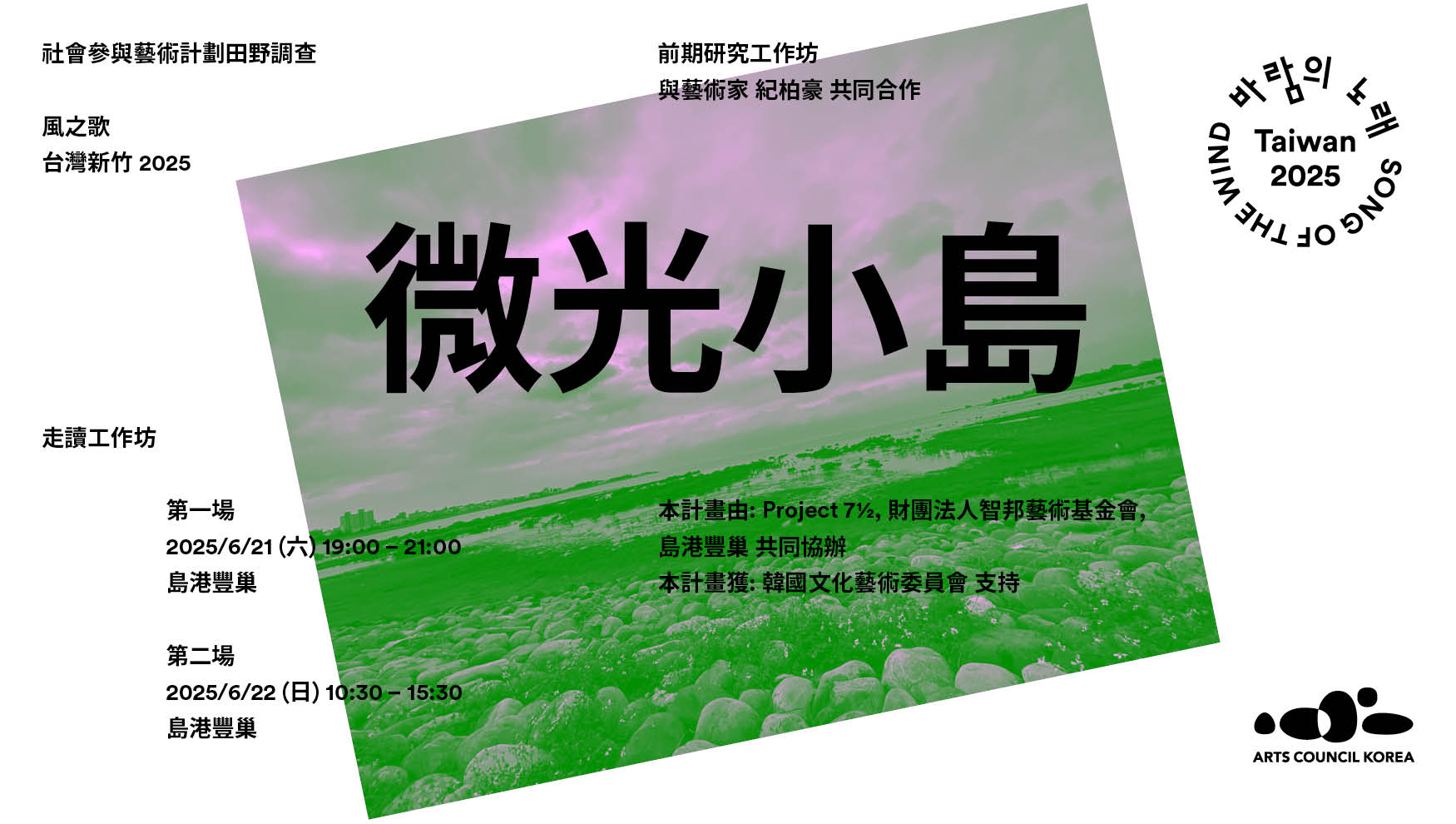
Island of Afterglow is a set of field-based activities developed for the Hsinchu chapter of Song of the Wind. Focusing on Jiugang Island, a small settlement between two rivers at the edge of the city, the project looks at how people live with water, flooding, infrastructure and gradual environmental change in an area marked as high flood risk.
“Afterglow” refers to the island’s subtle yet perceivable sources of light, such as street lamps, starlight and tidal reflections. The term also points to marginal, often overlooked rhythms, sounds and memories that continue within unstable conditions. Through walks, shared conversations, collaborative model making and 3D scanning, the project connects situated experiences of Jiugang with material and digital forms that can be revisited and compared.
Island of Afterglow links on-site research, a two-day workshop, and ongoing dialogue with local partners. The activities focus on how participants notice, describe and negotiate their surroundings, and how these observations make visible the entanglement of everyday life with hydrological and infrastructural systems.
Field Context
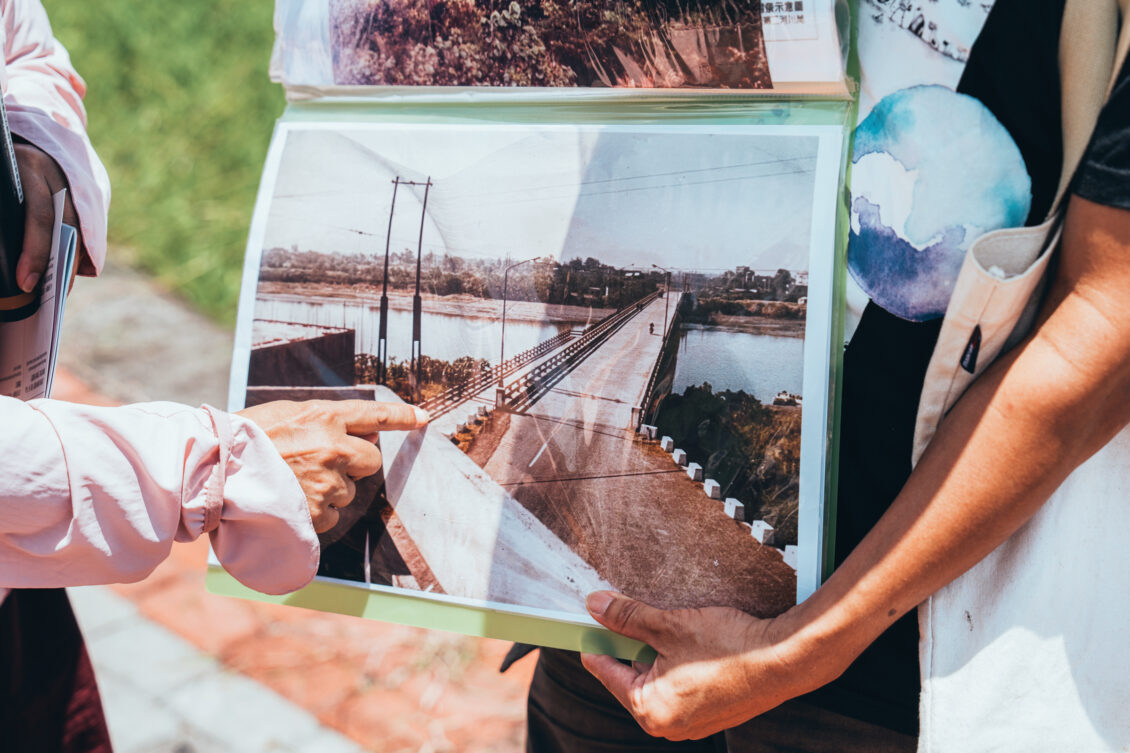
Jiugang Island has a rich history as part of Hsinchu’s former river port area. Over the years, repeated flooding, flood-control measures, and urban changes have transformed its built environment and the social landscape. Today, the island is situated between two riverbeds and surrounded by embankments, bridges, and drainage systems. Informal structures, narrow streets, and patches of greenery interweave throughout the area.
For many visitors, Jiugang is viewed as a marginal space that is at risk, yet still inhabited. For long-time residents, flooding, dampness, and seasonal changes are familiar aspects of daily life. The project “Island of Afterglow” closely examines these differing perspectives, utilizing simple prompts and shared activities to explore how people perceive and inhabit the island, as well as their relationships with water, protection, and exposure in their everyday routines.

Activity Structure
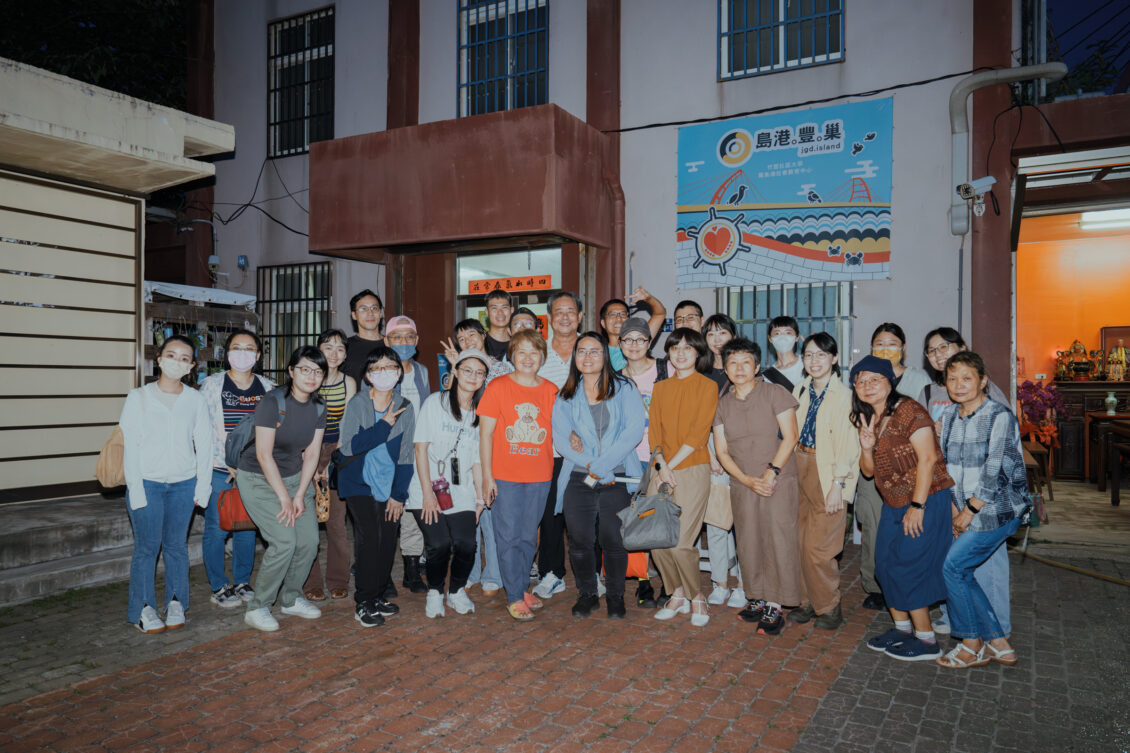
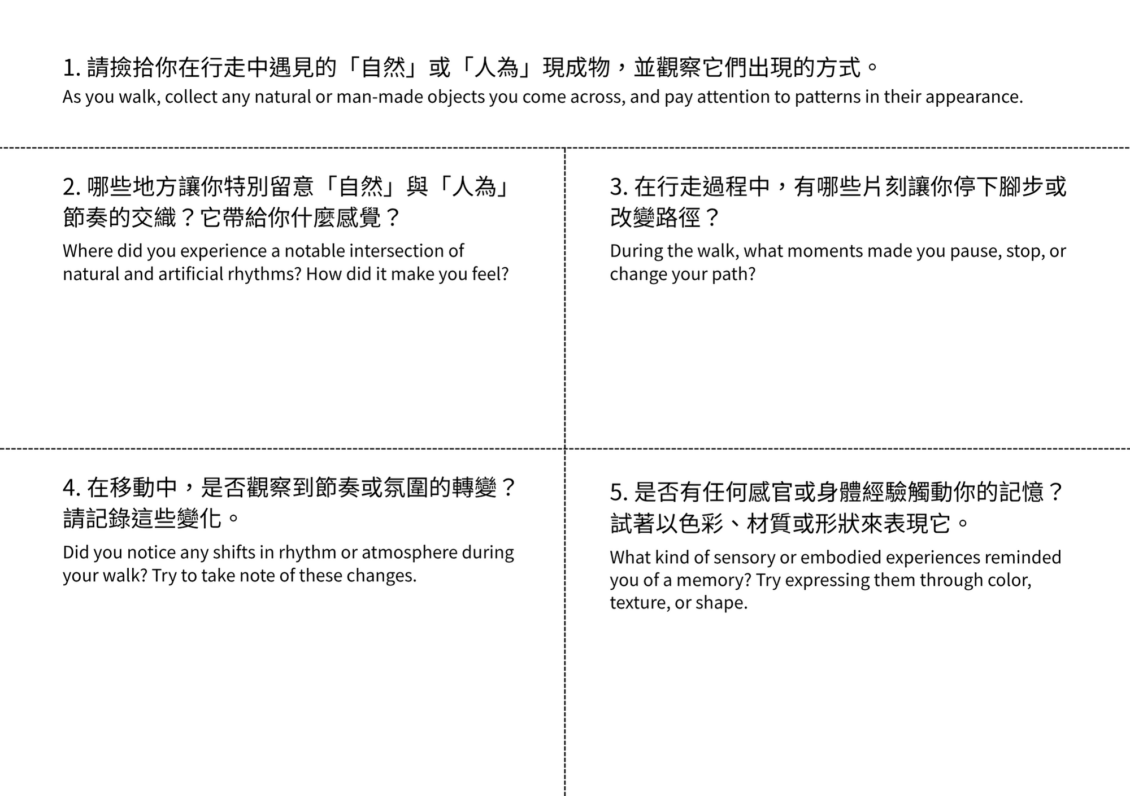
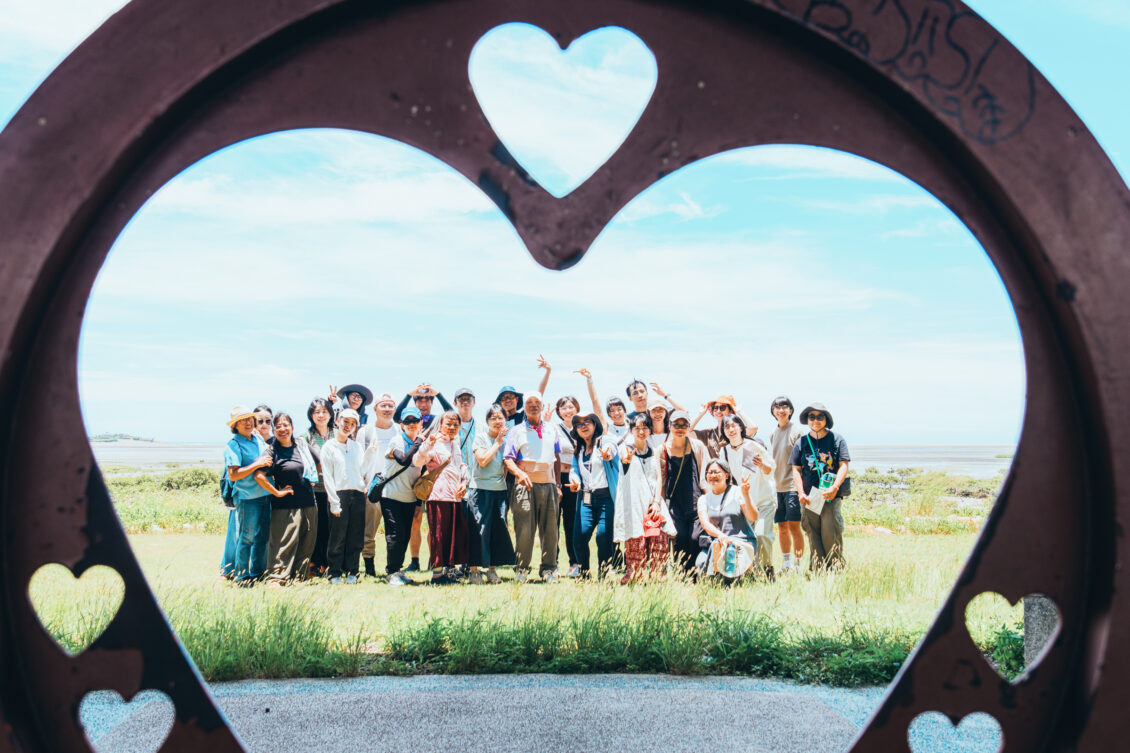
The project united local residents, students, artists, and cultural workers from Hsinchu and other cities. It was co-developed with DaoGangFengChao, who has a long-term commitment to Jiugang, and was part of the broader curatorial framework called “Song of the Wind.” Throughout the project, simple tools were utilized, including walking prompts, instruction cards, drawing materials, and basic modeling supplies, to focus on perception, conversation, and situated knowledge.
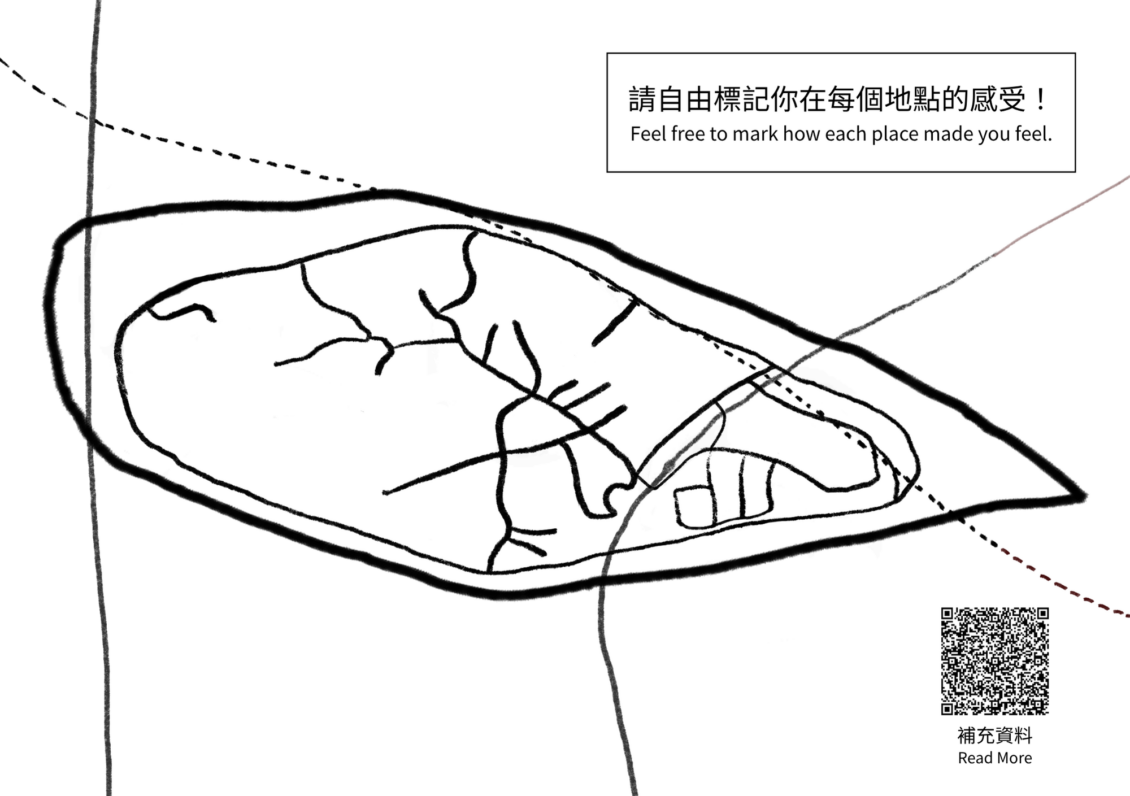
Field walks
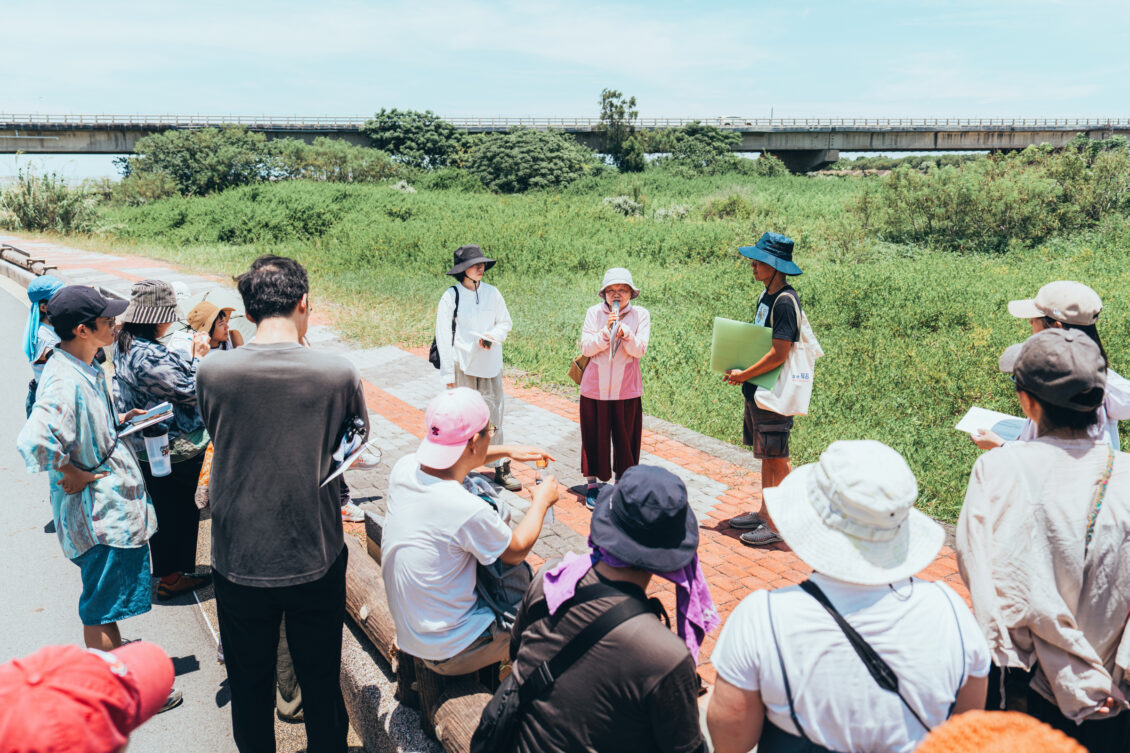
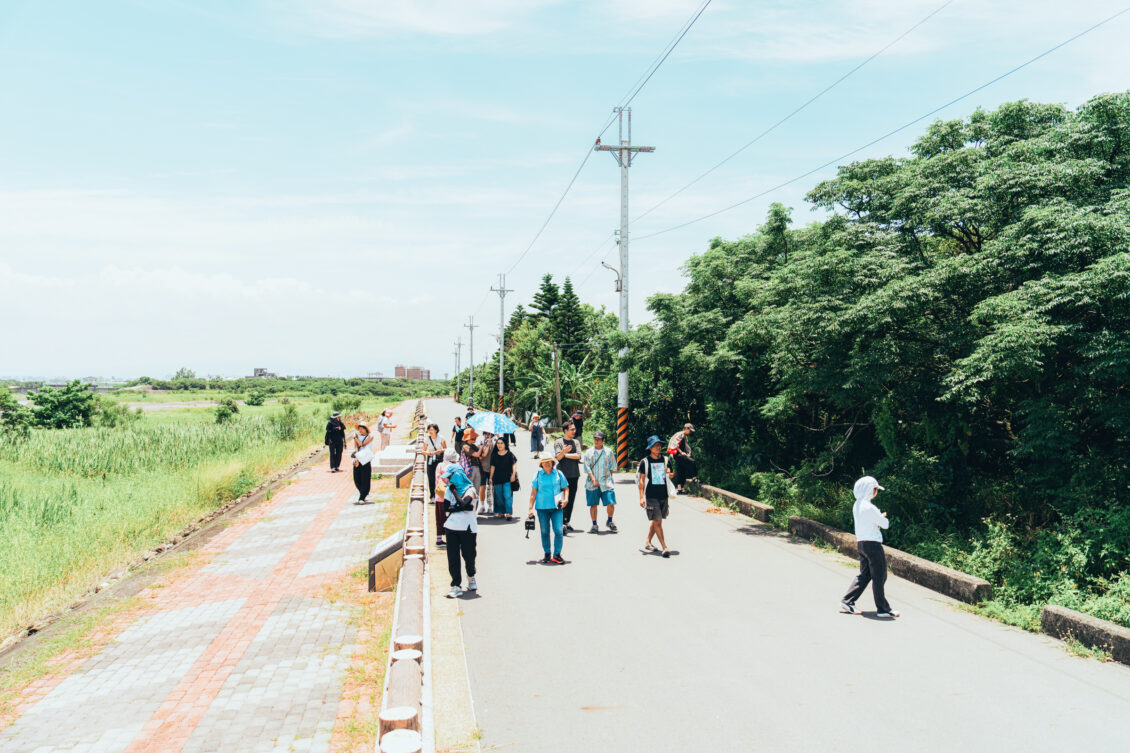
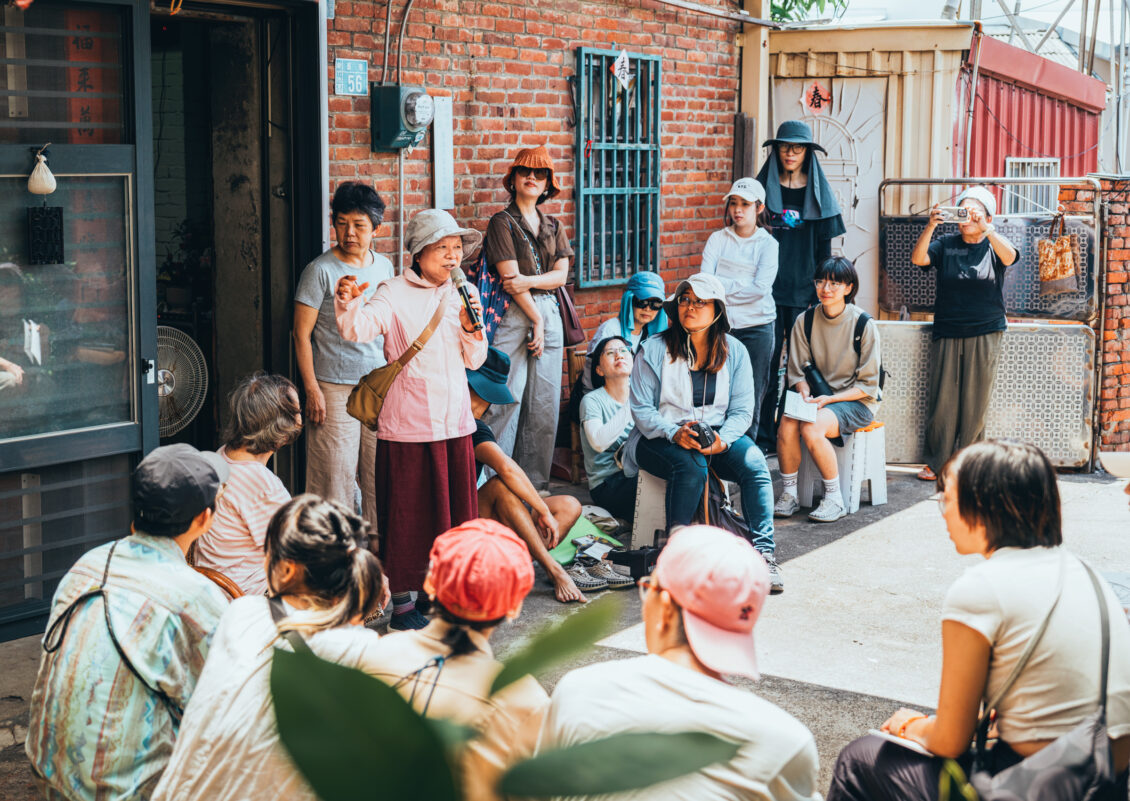
A series of walks took place at various times of the day, emphasizing slow movement and attentiveness to transitions. Participants were encouraged to notice changes in temperature, humidity, and airflow, as well as shifts in light and shadow. They paid attention to the layering of sounds from rivers, roads, insects, industry, and domestic life, and observed moments when their bodies became more tense or more relaxed.
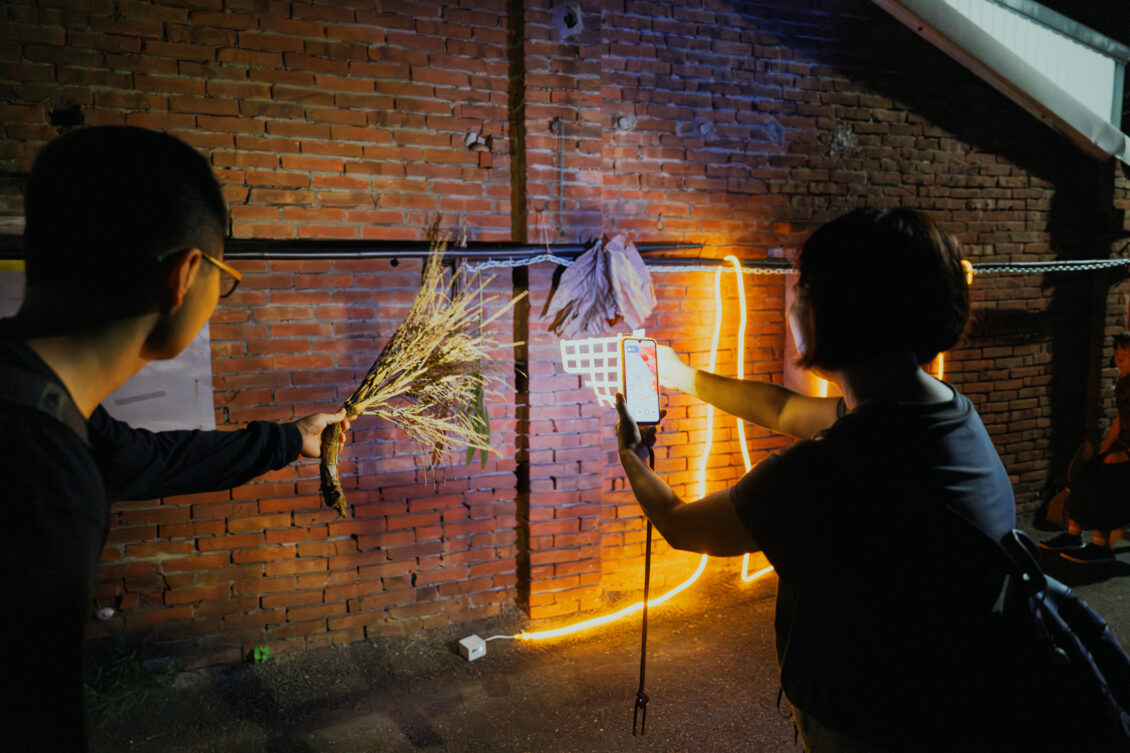
Both night and day walks followed overlapping routes through alleys, riverbanks, and small open spaces. Comparing these experiences highlighted how the same built environment can foster different uses, atmospheres, and feelings of safety at different times. Several participants noted that places they once considered familiar felt different when they focused on moisture, echoes, glare, and darkness, rather than just on circulation or convenience.

Conversations and mapping
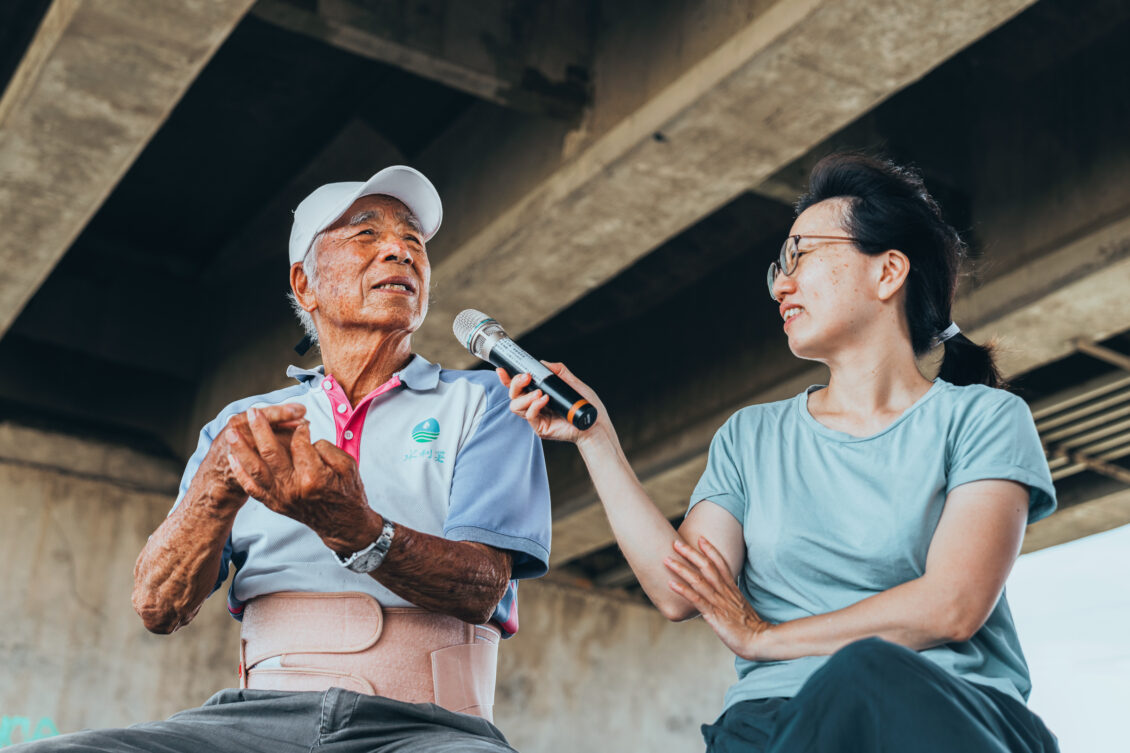
Participants shared stories about past floods, rebuilding efforts, and daily strategies for coping with moisture and risk while walking along designated paths. They used hand-drawn notes and simple diagrams to identify areas of concern, attachment, or comfort, such as places where water tends to accumulate, informal gathering spots, shortcuts, and views of the river, bridges, and floodwalls.
These conversations provided valuable context for later activities and illustrated how official terms like “flood zone” intersect with personal experiences. The discussions frequently returned to themes of staying, leaving, and adapting, as well as how different generations recall specific typhoons or instances of damage.
Model making and 3D documentation
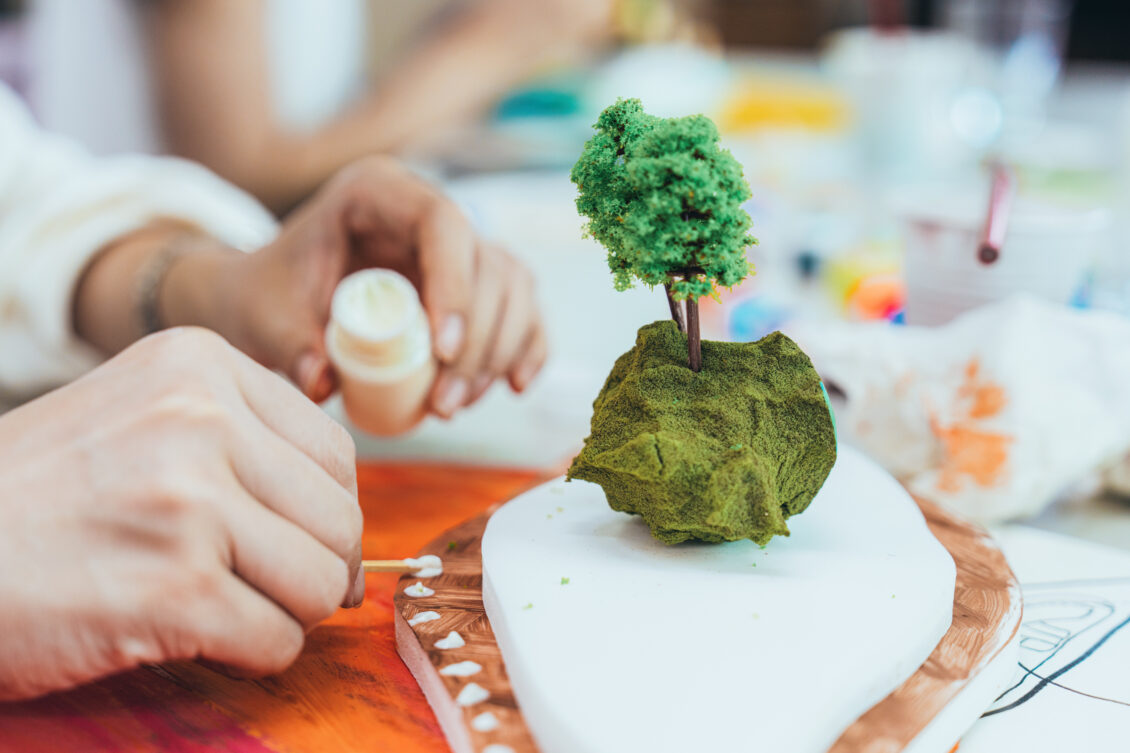
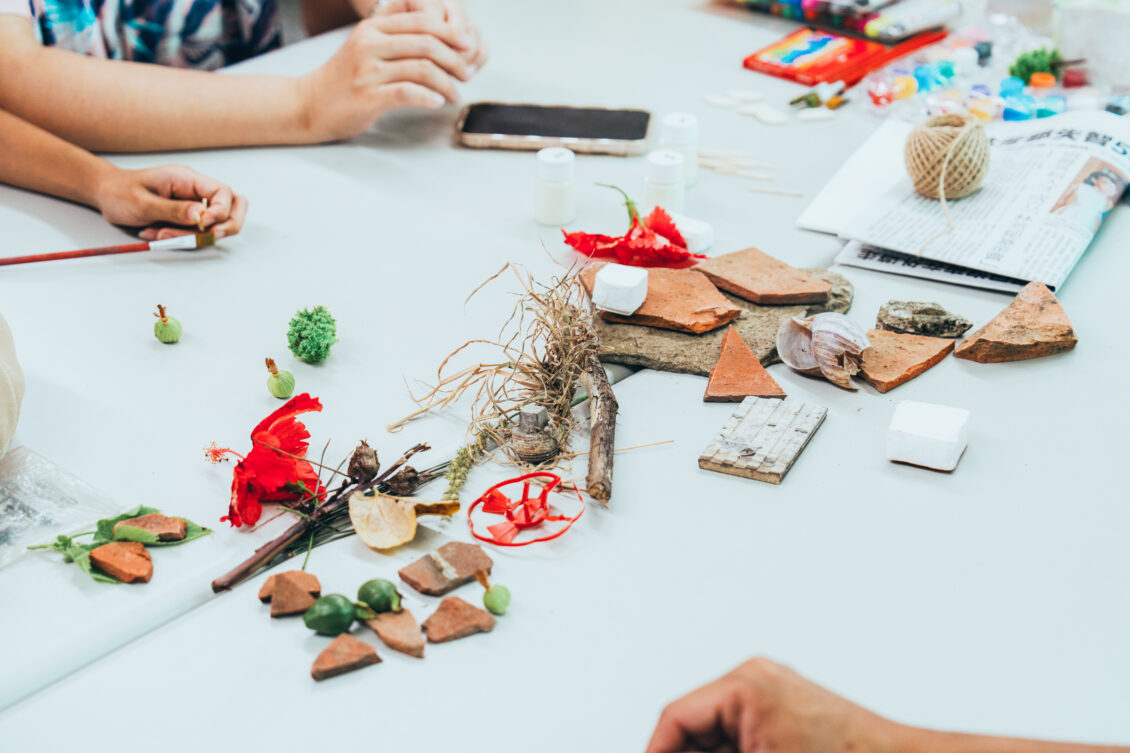
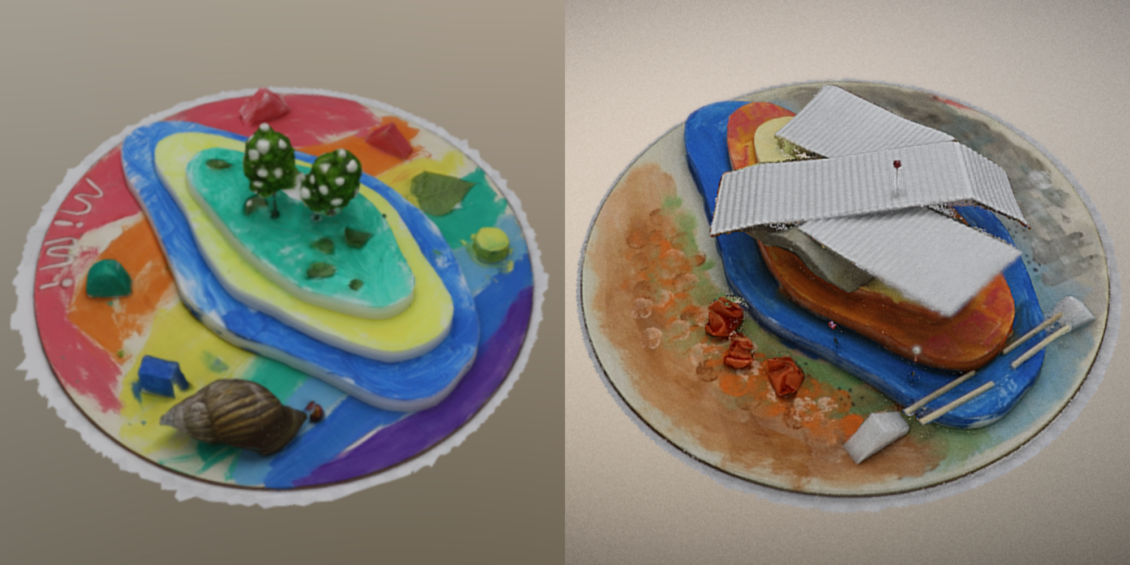
In the final phase of the workshop, participants created small “islets” using materials such as cardboard, fabric, sand, stones, and found objects. Each model expressed a unique interpretation of the island. Some highlighted aspects like flood levels, embankments, and drainage structures, while others focused on vegetation, thresholds, shaded areas, or the feeling of being enclosed between two bodies of water.
The models were documented and 3D scanned, resulting in a modest digital collection of these interpretations. This process allowed participants to rearrange and resize elements of Jiugang, creating space to consider how local experiences could be translated into other media without forcing them into a singular narrative.


Reflections
In structuring “Island of Afterglow,” I approached everyday environments as a blend of overlapping rhythms, where physical cycles, infrastructures, and social habits intersect. Although concepts like rhythmanalysis informed my work, the activities focused on concrete prompts: walking, talking, drawing, and building.
Participants expressed recurring concerns, detailing routines and adjustments for living with water, such as where to store items during typhoon season and interpreting changes in smell and air quality after heavy rain. Flood-control structures were both reassuring and a reminder of vulnerability, highlighting the tension between feeling protected and being surrounded by risks. The walks and models also revealed subtler aspects, like seasonal vegetation and shared memories. For many participants, using simple materials facilitated discussions about feelings of unease and attachment that were hard to express through diagrams or numbers.
A longer essay situating these activities within the broader Song of the Wind project is published in Hyphen Journal: “Island of Afterglow: Attuning to Rhythms at the Edge of Water.”
Credits
- Project: Song of the Wind, Hsinchu
- Curator: Sunyoung Oh
- Team: Po-Hao Chi with Fang-Yu Tsui and Fifi Hu (ZONE SOUND CREATIVE)
- Co-organizers: Project 7½, Accton Arts Foundation, DaoGangFengChao
- Local partner: Art Site of Railway Warehouse, Hsinchu